
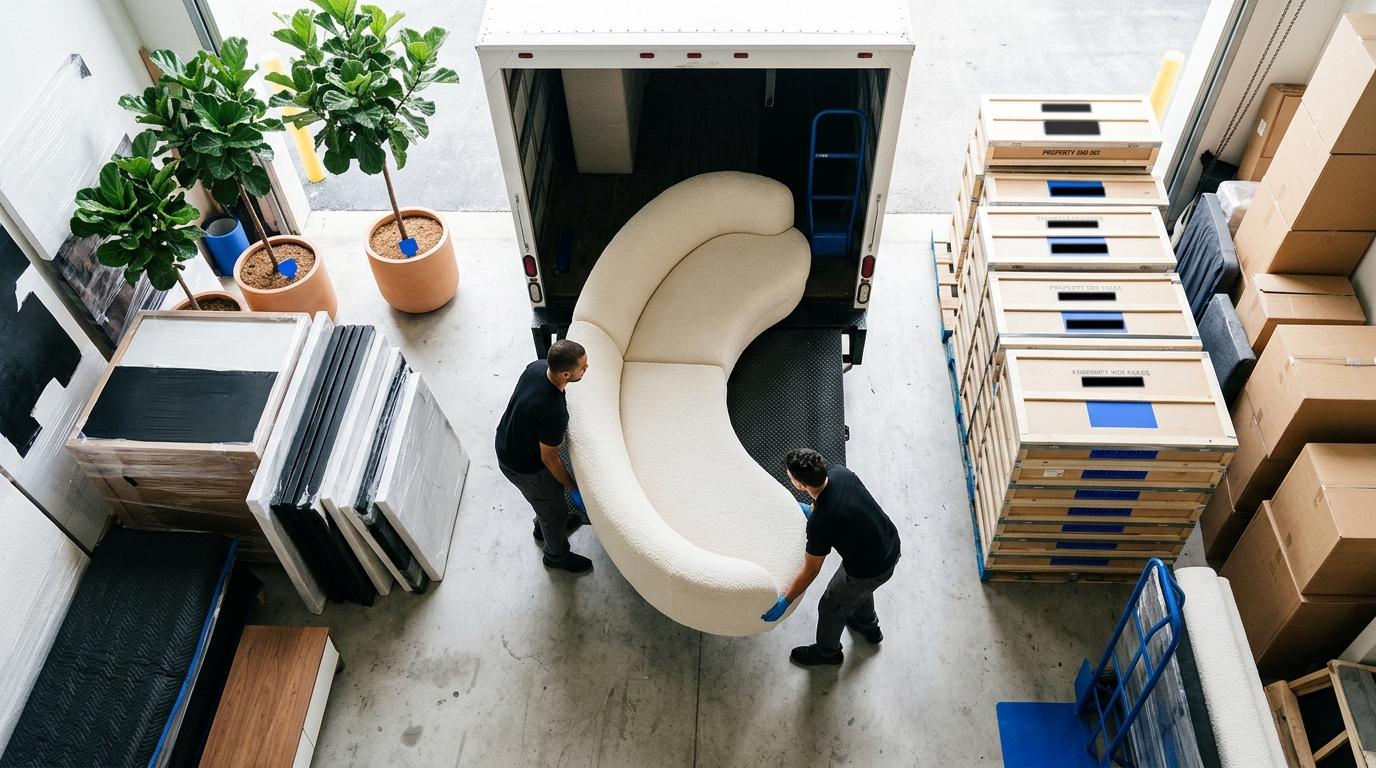
Staging for the Miami Buyer: Key Design Trends for a Faster, More Profitable Sale
Luxury Home Staging in Miami: What Sellers Need to Know Before Listing
Professionally staged luxury homes in Miami sell 30–50% faster and command 5–15% higher final sale prices than comparable unstaged properties. That gap widens significantly at price points above $3 million, where qualified buyers are fewer, expectations are non-negotiable, and first impressions determine whether a showing even gets scheduled. This guide covers the specific staging strategies, renovation priorities, inspection considerations, and pricing frameworks that move high-end Miami properties quickly and profitably in 2026.
Why Miami's Luxury Buyer Profile Demands a Different Staging Approach
Miami's luxury buyer pool in 2026 is predominantly international, with significant buyer concentrations from Brazil, Colombia, Argentina, Western Europe, and the northeastern United States. These buyers often purchase remotely, making digital presentation through photography, video walkthroughs, and 3D Matterport tours as important as the physical showing itself. Many are relocating from markets with extremely polished product, including Manhattan, London, and São Paulo. They are not calibrating their expectations against the Miami median. They are comparing your home to the best they have seen anywhere.
That context shapes every staging decision. Cluttered bookshelves, dated light fixtures, or mismatched furniture groupings that a domestic buyer might overlook become disqualifiers for this audience. The staging brief for a Miami luxury property is not "make it look clean." It is "make it look like a Robb Report editorial."
The Pre-Staging Renovation Hierarchy: Where to Spend and Where to Stop
Not every renovation increases value dollar-for-dollar. Miami luxury buyers discount for cosmetic issues aggressively but rarely pay a premium for over-improvement beyond neighborhood comps. The goal is to eliminate objections, not build a custom home for a hypothetical buyer.
Prioritize in this order:
- Primary bathroom gut and refresh. Miami luxury buyers treat the primary bath as a spa proxy. Outdated tile, inadequate lighting, or non-rainfall shower fixtures signal a property that has not kept pace. A $40,000–$80,000 primary bathroom renovation in the $3M–$7M price band reliably returns 80–120% in adjusted sale price relative to properties with dated baths in the same zip code.
- Kitchen hardware, fixtures, and appliances. Full kitchen renovations rarely pencil out for pre-sale purposes unless the layout is genuinely dysfunctional. However, replacing builder-grade fixtures with unlacquered brass or matte black alternatives, upgrading to panel-ready Sub-Zero and Wolf appliances, and installing a statement range hood can shift buyer perception from "nice home" to "luxury home" for under $25,000.
- Flooring continuity. Mixed flooring materials across a single floor plan read as piecemeal renovation history. Large-format porcelain tile (minimum 24x48 inches) or wide-plank European white oak flooring installed consistently throughout the main level is a proven value driver in Bal Harbour, Surfside, and Miami Beach properties.
- Smart home and lighting integration. Lutron Caseta or Control4 lighting control, motorized window treatments, and a visible home automation panel are now baseline expectations in Miami luxury product above $4M. Budget $15,000–$30,000 for a competent retrofit if the home does not already have these systems.
- Exterior and landscaping. Miami's indoor-outdoor living premium is real. A neglected pool deck, dead tropical plantings, or an outdated outdoor kitchen eliminates a core value driver unique to South Florida product. Pressure washing, fresh tropical plantings, and a refinished pool deck cost $8,000–$20,000 and directly impact perceived value at showings and in aerial photography.
High-End Staging Mechanics: Furniture, Art, and Sensory Details
Professional staging for Miami luxury homes is not furniture rental. It is a curated editorial experience designed around the specific architecture and buyer demographic of each property.
For contemporary waterfront properties in Sunny Isles Beach or Bay Harbor Islands, the correct staging palette is a warm neutral base (greige, linen, soft white) with layered texture through natural materials: rattan, bleached oak, travertine accessories, and linen upholstery. Avoid cold grays and industrial finishes, which read as dated in 2026 Miami and photograph poorly in natural light.
Art selection matters more than most sellers realize. A single oversized canvas (60x84 inches minimum) above a primary sofa or dining credenza instantly signals a scaled, confident space. Work with a staging company that maintains relationships with local Miami galleries, specifically Wynwood and the Design District, to source pieces that feel current and place-specific rather than generic hotel art.
Sensory details close deals. Consistent scent throughout a property using a single diffused fragrance (Diptyque Baies is industry standard), fresh tropical flowers in the entry and primary suite, and ambient temperature set to 70°F for showings create a felt experience that photographs cannot deliver. These details cost under $500 and eliminate the subconscious friction that keeps buyers from connecting emotionally with a space.
The Pre-Listing Home Inspection: Florida-Specific Considerations
Ordering a pre-listing inspection before staging is completed is one of the highest-leverage moves a Miami luxury seller can make. Florida's disclosure requirements are strict, and undisclosed defects discovered during a buyer's inspection routinely collapse transactions at the $3M+ price point, where buyers are represented by sophisticated agents and often accompanied by independent inspectors.
In Miami-Dade County, the inspection priorities that most frequently surface as deal-killers include:
- Roof condition and wind mitigation certification. Florida's insurance market remains volatile. A roof with fewer than 5 years of remaining useful life, or one that does not qualify for wind mitigation credits, directly increases the buyer's carrying costs and often triggers price renegotiation of $50,000–$150,000 at closing.
- Impact window and door compliance. Miami-Dade County has specific product approval requirements for impact glazing. Non-compliant installations identified by a buyer's inspector become immediate negotiation leverage. Verify compliance before listing.
- Air handler and ductwork condition. Miami's humidity loads HVAC systems aggressively. Air handlers over 8–10 years old, deteriorating ductwork, or evidence of mold in air handling units are among the most common inspection findings that delay or derail Miami luxury closings.
- Seawall integrity for waterfront properties. For any property with direct water access in Golden Beach, Miami Beach, or Bay Harbor Islands, a pre-listing seawall inspection by a licensed marine contractor is non-negotiable. Seawall replacement costs range from $500–$1,200 per linear foot, and a compromised seawall discovered by a buyer's team will resurface as a price reduction or deal termination.
A pre-listing inspection costs $500–$1,500 depending on property size and complexity. Addressing findings proactively allows the seller to control repair costs rather than accepting a buyer's inflated repair credit demand under contract pressure.
Pricing a Luxury Home for Sale: Methodology Over Emotion
Overpricing is the single most common and most costly mistake luxury sellers make in Miami. A property that sits on the market for 90+ days acquires a stigma that no subsequent price reduction fully erases. Sophisticated buyers and their agents track days on market and interpret extended listing periods as negotiating leverage.
Accurate pricing at the luxury tier requires more than a standard comparative market analysis. The relevant methodology involves three parallel inputs:
- Closed comparable analysis. Identify the 4–6 most recent comparable closed sales within a 0.5-mile radius, adjusting for square footage, lot size, water frontage, renovation level, floor (for condominiums), and view. In thinly traded micro-markets like Golden Beach or the La Gorce Island section of Miami Beach, comps may be 12–18 months old and require forward adjustment for current market absorption rates.
- Active and pending competition. A buyer choosing between your home and two active competitors at similar price points will not pay above the competition unless the differentiation is explicit and visible. Price to win that comparison, not to set a neighborhood record on speculation.
- Cost-per-square-foot floor validation. Cross-check the target price against the current cost-per-square-foot range for finished luxury product in the immediate submarket. In Bal Harbour condominiums, that range currently runs $1,800–$3,500 per square foot depending on building, floor, and view. A pricing argument that requires buyers to accept cost-per-square-foot above the top of that range requires an extraordinary differentiating factor to succeed.
The correct price is not the highest price you can imagine. It is the price that generates multiple qualified showings within the first 21 days, creates competitive tension if the market supports it, and closes within 5% of list price without renegotiation.
Luxury Home Staging Miami FAQ
How much does professional luxury home staging cost in Miami?
Full-service luxury staging in Miami typically costs $8,000–$25,000 for a primary residence depending on square footage, the volume of furniture required, and the duration of the staging period. Properties above 5,000 square feet or those requiring complete furniture packages can reach $35,000–$50,000. Most staging contracts run 60–90 days with monthly extension options.
Does staging really increase the final sale price, or does it just speed up the sale?
In the Miami luxury market, it consistently does both. The mechanism is straightforward: a staged home photographs better, attracts more qualified showings, and reduces the number of objections a buyer's agent can raise during negotiation. Fewer objections mean less price erosion between list price and final contract price.
Is a pre-listing home inspection required in Florida before selling?
Florida law does not require sellers to commission a pre-listing inspection, but sellers are required to disclose known material defects. A pre-listing inspection converts unknown defects into known ones, giving sellers the opportunity to remediate on their own terms rather than under contract deadline pressure. For luxury properties in Miami-Dade County, it is strongly advisable given the frequency of roofing, HVAC, and seawall issues that surface during buyer inspections.
What staging mistakes most often hurt luxury home sales in Miami?
The three most common staging errors are: over-personalizing the space with the seller's own art and furniture rather than staging to the buyer demographic; under-scaling furniture so that large rooms appear cavernous and undefined; and neglecting the exterior, pool, and outdoor living areas, which are primary value drivers in Miami's indoor-outdoor market.
How long does it typically take to sell a luxury home in Miami after listing?
In 2026, well-priced and professionally staged luxury single-family homes in Miami-Dade County are averaging 45–75 days on market. Luxury condominiums in high-supply buildings or above the $5M threshold are averaging 90–150 days. Properties that are overpriced at launch and subsequently reduced often exceed 180 days and close at larger discounts than properties priced correctly from day one.