
The Ultimate 2026 Miami Pre-Listing Checklist: 10 Steps to Maximize Your Home's Sale Price
Miami Luxury Home Sellers: Your 10-Step Pre-Listing Checklist for 2026
Sellers who complete a structured pre-listing process in Miami's luxury market consistently close at 4–9% above the list price of comparable homes that skip preparation. This checklist covers every decision point, from structural inspections to offer-day pricing strategy, so your property competes at the top of its category from day one.
Why Preparation Outperforms Pricing Alone
Miami's luxury buyer pool in 2026 is global, data-literate, and represented by agents who run comparative market analyses before a first showing. A home priced correctly but presented poorly sits. A home presented correctly but priced too high also sits. The steps below address both dimensions simultaneously, which is the only approach that produces a fast, full-price transaction in neighborhoods like Bal Harbour, Coral Gables, and Coconut Grove.
Step 1: Commission a Pre-Listing Home Inspection
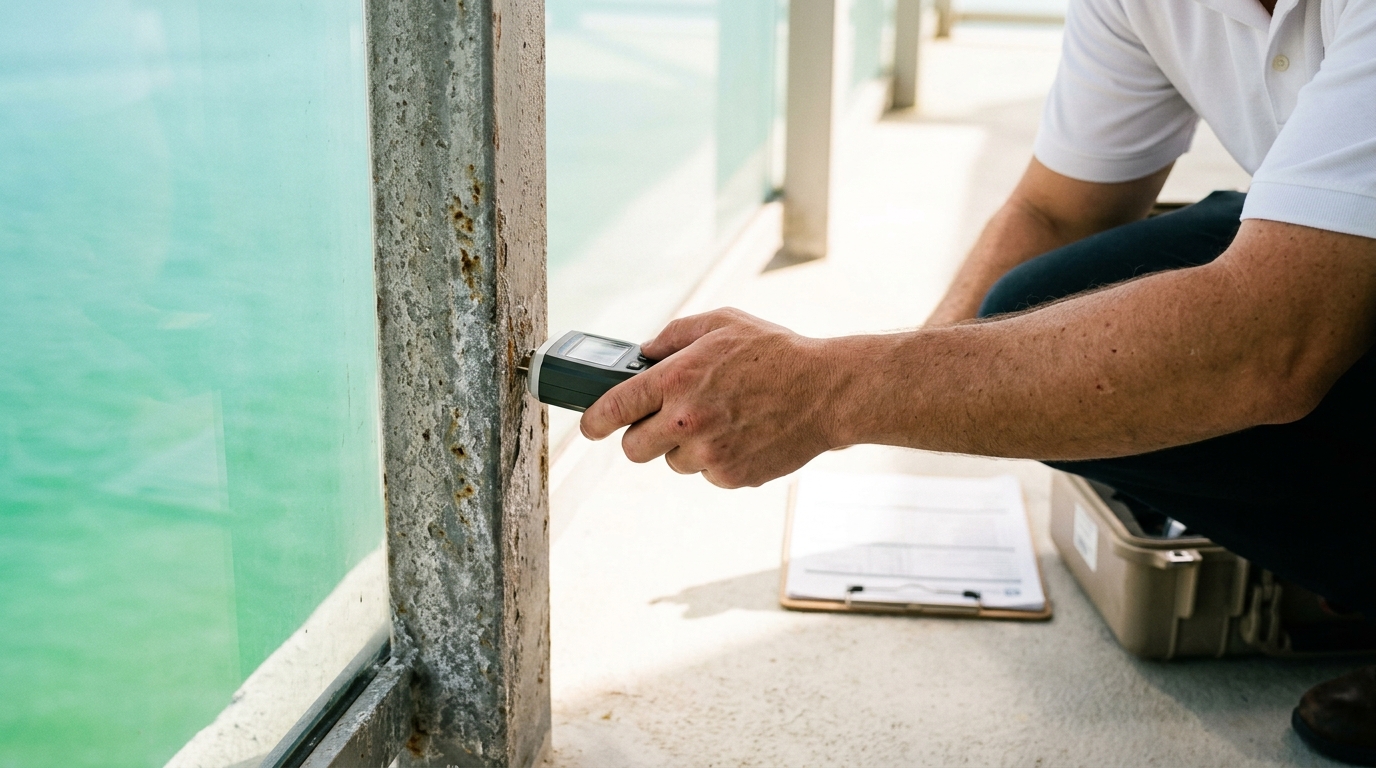
A licensed Florida home inspector typically charges $600–$1,200 for a luxury property over 4,000 square feet. That fee is the single highest-return investment on this list. Miami's climate accelerates specific failure points: roof deck moisture intrusion from hurricane exposure, HVAC corrosion from salt air in waterfront homes, and concrete spalling on balconies and pool decks. Identifying these before listing gives you three advantages. First, you control the remediation narrative rather than negotiating mid-contract under time pressure. Second, you eliminate the most common buyer exit ramps during the inspection period. Third, you can document repairs in the seller's disclosure, which builds buyer confidence and reduces contingency leverage.
Request a wind mitigation report alongside the standard inspection. Florida insurers use this report to calculate premiums, and a favorable rating is a documented selling point that reduces a buyer's annual carrying cost by hundreds or thousands of dollars.
Step 2: Resolve Permit History Issues
Miami-Dade County maintains a public permit database, and buyer's agents check it. Unpermitted additions, including converted garages, enclosed patios, and added bathrooms, create title complications and can void a sale during due diligence. Pull your permit history through the Miami-Dade Building Department portal before listing. If open permits or unpermitted work exist, engage a licensed contractor to close them. Timeline: most routine permit closures take 4–8 weeks in Miami-Dade, so begin this step at least 60 days before your target list date.
Step 3: Execute Targeted, High-Return Renovations
Not every renovation adds value in proportion to its cost. In Miami's luxury segment, the following upgrades produce the strongest return-on-investment based on 2025 transaction data from Miami-Dade County property records:
- Kitchen cosmetic refresh: Replacing cabinet hardware, refinishing cabinet faces, and upgrading to integrated appliances (Sub-Zero, Wolf, or Miele) returns approximately $2–$3 for every $1 spent in the $3M–$8M price range.
- Primary bathroom renovation: Freestanding soaking tubs, large-format porcelain tile (24x48 or larger), and frameless glass enclosures are expected, not exceptional, at this price point. Absence of these features creates a discount expectation.
- Smart home integration: Lutron lighting control, Sonos whole-home audio, and a unified security system add perceived value and are cost-effective to install pre-listing at $15,000–$40,000 for a full system.
- Exterior paint and landscaping: A fresh coat of exterior paint and professionally designed tropical landscaping with mature palms costs $20,000–$60,000 and directly drives the curb-appeal response that determines whether an online listing converts to a showing appointment.
Avoid full structural additions or pool installations at this stage. They rarely close before your target list date, and incomplete work creates liability and visual disruption during showings.
Step 4: Deep Clean and Remediate Environmental Issues
Miami's humidity creates mold and mildew in HVAC systems, crawl spaces, and behind bathroom tile. A professional remediation company should inspect and treat these areas, not a general cleaning service. Cost: $800–$3,000 depending on scope. Buyers at the $2M+ level often conduct environmental testing independently, and a mold finding mid-contract triggers renegotiation or cancellation in 70% of Miami luxury transactions where it appears.
Step 5: Stage with Market-Specific Luxury Staging
Luxury home staging in Miami operates differently than staging in other U.S. markets. Miami buyers respond to a specific aesthetic: clean-lined contemporary or coastal modern furniture, neutral linen and white palettes punctuated by botanical elements, and art pieces scaled to high-ceiling volumes. A Miami-based luxury staging firm charges $8,000–$25,000 for a full-home installation including furniture rental, art, and accessories for a 4,000–8,000-square-foot property.
The financial case is direct. Staged luxury homes in Miami-Dade sold in an average of 22 fewer days than unstaged comparables in 2025, and staged properties attracted offers averaging 5.7% closer to list price, according to data compiled by the Miami Association of Realtors.
Staging also serves a second function: it optimizes the property for photography and video, which is where 94% of qualified luxury buyers in Miami begin their search.
Step 6: Invest in Professional Photography, Video, and 3D Tours
Standard real estate photography does not perform in the luxury segment. Your marketing package should include twilight exterior photography, drone aerials (FAA-licensed operator required in Miami-Dade airspace), a cinematic walkthrough video of 2–4 minutes, and a Matterport 3D virtual tour. Budget $3,000–$7,000 for a complete package from a luxury real estate media firm. This content drives showing appointments from international buyers in markets like New York, São Paulo, Toronto, and Bogotá, all of which generate significant demand for Miami luxury properties.
Step 7: Price Using a Stratified Comparative Market Analysis
Pricing a luxury home for sale in Miami requires a stratified CMA, not a standard automated valuation. Automated valuation models (AVMs) like Zillow's Zestimate are calibrated on high transaction volume and perform poorly in low-volume luxury submarkets. A stratified CMA analyzes closed sales by square footage tier, lot size, waterfront premium, view type, and finishes quality over a rolling 12-month window, then applies manual adjustments for unique features like deep-water dockage, generator capacity, and elevator access.
In waterfront submarkets like Bay Harbor Islands and Golden Beach, waterfront premiums over non-waterfront comparables range from 38–62% depending on dock configuration and water depth. A pricing error of 8–12% in either direction in the luxury segment costs you months of market time or tens of thousands in net proceeds. Work with an agent who can demonstrate a stratified CMA methodology, not just a list of recent sales.
Step 8: Prepare Your Seller's Disclosure Package
Florida law requires the Johnson v. Davis disclosure: sellers must disclose all known material defects. In practice, a well-prepared luxury seller goes further. Compile a seller's disclosure package that includes the inspection report, all repair receipts and contractor warranties, HOA financials and meeting minutes for the prior 24 months, utility cost history (12 months minimum), and manufacturer documentation for major systems. This package, delivered to buyer's counsel at contract, accelerates the due diligence period and signals a sophisticated, transparent seller, which reduces the probability of post-inspection renegotiation.
Step 9: Establish Your Off-Market and Pre-Market Strategy
A significant share of Miami luxury transactions close off-market or in pre-market status, meaning the property never enters the Multiple Listing Service. Off-market positioning accomplishes two things: it creates exclusivity perception among qualified buyers who receive the opportunity through agent networks, and it preserves days-on-market data, which matters because luxury buyers interpret extended MLS days on market as a signal of overpricing or hidden defects.
Before going live on the MLS, allow your agent 2–3 weeks to quietly canvass their qualified buyer list and agent network. If an acceptable offer emerges, you have avoided public market exposure entirely. If not, your MLS launch begins with zero accumulated days on market and fresh buyer interest.
Step 10: Align Closing Logistics and Tax Strategy Before Listing
Luxury closings in Miami-Dade involve Florida documentary stamp tax ($.70 per $100 of purchase price on the deed), title insurance, and in many cases, 1031 exchange coordination or foreign national withholding under FIRPTA. If you are relocating internationally, liquidating investment property, or selling an entity-held asset, engage a Miami real estate attorney and CPA before listing, not after contract. Structural decisions made post-contract are often impossible to unwind without tax consequences or closing delays.
Pre-Listing Step Comparison: Impact vs. Time Investment
| Step | Estimated Cost | Lead Time Needed | Impact on Sale Price |
|---|---|---|---|
| Pre-listing inspection | $600–$1,200 | 1 week | Prevents 5–15% renegotiation risk |
| Permit resolution | $2,000–$15,000 | 4–8 weeks | Prevents contract cancellation |
| Targeted renovations | $20,000–$80,000 | 4–10 weeks | 2:1 to 3:1 return on spend |
| Professional staging | $8,000–$25,000 | 1–2 weeks | 5.7% closer to list price |
| Photography and video | $3,000–$7,000 | 1 week | Drives international showing volume |
| Stratified pricing CMA | Included in agent services | 1–2 weeks | Prevents 8–12% pricing error |
Miami Pre-Listing FAQ
How far in advance should I begin pre-listing preparation for a luxury Miami home?
Begin 90–120 days before your target list date. Permit resolution, targeted renovations, and staging procurement all have lead times that compress dangerously inside a 60-day window. Starting at 90+ days allows each step to complete without overlap-driven quality compromise.
Is luxury home staging in Miami worth the cost for properties priced above $5 million?
Yes. At the $5M+ price point, buyers are viewing the property as both a lifestyle asset and an investment. Professionally staged homes in this tier sold 22 days faster on average in Miami-Dade in 2025 and received fewer inspection-period concession requests because buyers were emotionally committed to the property before discovering any defects.
What is the most accurate method for pricing a luxury home for sale in Miami?
A stratified comparative market analysis conducted by a luxury specialist is the most accurate method. It adjusts for waterfront premiums (38–62% above non-waterfront in Bay Harbor Islands and Golden Beach), view type, finishes quality, and dock access. AVMs should never be used as the primary pricing tool in low-volume luxury submarkets.
Does a pre-listing inspection hurt my negotiating position if issues are found?
No. Disclosing known issues in your seller's package is legally required in Florida under Johnson v. Davis, and resolving them pre-listing removes the buyer's ability to use them as renegotiation leverage during the inspection period. Sellers who disclose and remediate pre-listing lose less in concessions than sellers who discover problems mid-contract.
What Miami neighborhoods benefit most from off-market pre-listing strategy?
Bal Harbour, Golden Beach, and Bay Harbor Islands benefit most because their luxury submarkets have low transaction volume, meaning every day on the MLS is statistically significant. In Coral Gables and Coconut Grove, where luxury inventory turns more frequently, off-market strategy is still valuable but the MLS impact is less acute.